A mugshot, also known as a booking photograph, is an image taken after an arrest. These photos are often uploaded to sheriff portals or private mugshot websites. Once indexed by Google, a single mugshot can overshadow all other online information about you, damaging your reputation, affecting job opportunities, and even hindering housing applications.
It's important to note that Google does not host mugshots; it only indexes them from external websites. Therefore, the only way to remove a mugshot from Google is to have it deleted from the original source. Until the hosting site complies with this request, your mugshot can remain in search results for years, even if your charges were dropped, dismissed, expunged, or sealed.
Our article provides clear, step-by-step instructions on how to get your mugshot removed from Google, with legal accuracy and practical timelines, so you can reclaim your digital reputation and move forward with a clean slate.
Mugshots appear on Google because the search engine's indexing system automatically collects and displays publicly available content from various websites. When a mugshot is uploaded to an external site, Google's web crawlers scan the page, store the data, and show it in search results for your name.
Familiar sources of mugshots include:
Even if your criminal charges were dismissed, dropped, or resolved years ago, those images can remain in search results if the hosting site has not removed them. Without direct removal from the source, Google will continue to display the link—and your mugshot—whenever someone searches for you.
In Florida, the legal foundation for removing online mugshots comes from the state’s expungement and record sealing statutes — Florida Statutes § 943.0585 (expungement) and § 943.059 (sealing). These laws allow individuals who meet specific eligibility criteria to have their criminal records legally hidden or destroyed.
Once a record is expunged or sealed, many websites are legally required to remove related mugshots and arrest information. Failure to comply may expose them to enforcement actions. In addition, individuals may pursue civil claims for defamation or invasion of privacy if their mugshot is published after their record has been cleared.
Florida also enforces § 901.43, which targets “mugshot publication websites” that charge a fee for removal, giving victims additional legal remedies against predatory operators.
While U.S. federal and state courts generally hold that news media cannot be forced to remove accurate reporting—even after expungement—there may still be grounds for claims in other private-site contexts (e.g., false light, invasion of privacy, misappropriation of likeness), though privacy torts like “false light” are less commonly recognized in Florida
Our legal team can check your eligibility in under 24 hours — at no cost. If you qualify, we can initiate court-approved removal orders and compel websites to take your mugshot down permanently.
You remove a mugshot from Google only when you delete it at the original source website. Google indexes third-party sites and will update search results once the content disappears from its host.
Here are the 5 steps to follow:
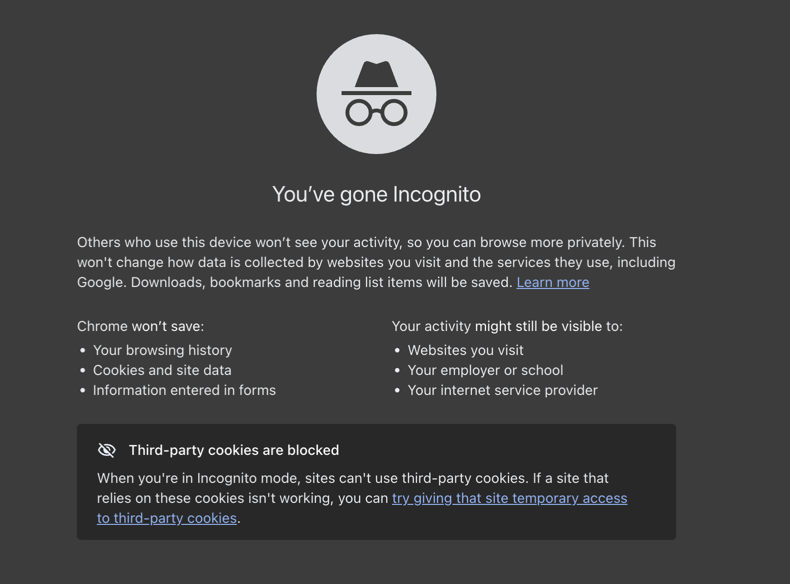
You search your full legal name, aliases, and variations in incognito mode to avoid personalized results. You record every URL that displays the mugshot, including county sheriff portals, arrest databases, and private mugshot publishers.
Send a email or message request for removal, including the URL, the date you found it, and proof of expungement or sealing if applicable.
Sample template:
I am requesting immediate removal of my mugshot at [URL] under Florida Statutes § 943.0585 and § 901.43. The image is tied to a case that has been [expunged/sealed/dismissed]. Please confirm in writing within 10 days that it has been removed.
If your record has been expunged or sealed, provide proof to the website. Many must comply with takedown requests when charges no longer exist.
Warning: Avoid paying “mugshot removal” websites without verifying legitimacy. Many operate scams that re-upload your image to other sites.
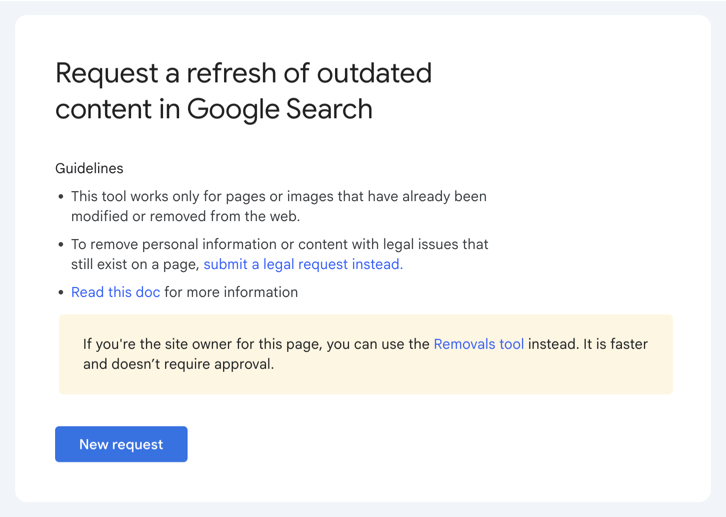
Once the mugshot is deleted at the source, you submit the page URL to Google’s Remove Outdated Content tool. Google Remove Outdated Content tool.
You just 3 Steps:
Limitation: Google only hides the page from results—it does not delete the content from the web. If the image is still hosted elsewhere, it may reappear.
You should recheck Google search results within 7–14 days after submitting a removal request.
Google usually updates its index in that timeframe once the source deletes the mugshot. Some mugshot websites republish or sell images to affiliates, so you must continue monitoring search results and repeat the removal process if the photo reappears.
If website owners refuse to cooperate, a legal strategy is the most reliable path. Attorneys can:
Erase The Case specializes in using Florida’s expungement and sealing laws to secure permanent removals—often within 30 days.

Erase The Case, led by David Weisselberger, Esq., is Florida’s top legal authority in mugshot removal and criminal record clearing. Attorney Weisselberger is a recognized Florida expungement law specialist, accredited by the Florida Bar, the American Bar Association, and the Better Business Bureau.
Our legal process is precise and proven:
On average, we achieve permanent removal in as little as 30 days, with a track record of success in even the most complex cases.
Google does not remove mugshots automatically after expungement. The hosting website must first delete the image before Google will delist it from search results.
A reputation management service cannot delete content at the source without legal authority. For permanent removal, you need a court order or cooperation from the hosting site - services our provides.
In Florida, legitimate removal may involve legal fees, but paying “mugshot removal” sites is risky and often ineffective. Under Florida Statute § 901.43, many are required to remove your image at no charge upon request.
With proper legal action, removal can be completed in as little as 30 days. Timelines vary based on court processing, the number of sites hosting the image, and compliance from publishers.
Costs depend on your case complexity and number of websites involved. ETC offers flat-rate pricing and “Expunge Now, Pay Later™” payment plans to start immediately.
Yes. If removal is not done through legal orders. ETC’s process prevents reposting by targeting both the source site and Google indexing.