




In Florida, both arrests and criminal charges show up on your criminal record, making it difficult for you to change jobs, apply for college admissions, or own an apartment. You can, however, clear your record with the help of a Fort Lauderdale expungement attorney from Erase The Case. Don't let a single mistake ruin your chance for better opportunities such as promotions; get your record expunged.
The expungement process in Florida enables those who have been charged with certain crimes to have their record sealed and expunged. And be given another opportunity to start again. The public can no longer access your criminal history.
Record sealing and expungement are different from each other. The Florida Statue 943.045, states that the sealing of a criminal record keeps people with no legal rights to gain access to your criminal history. The court protects the sealed document from public access. As the records are kept hidden by a criminal agency, the court system under “seal” and the record is confidential.
On the other hand, expunging a record involves the destruction of the record, and only the FDLE has a copy of your record. The process of expungement may involve a court hearing. Thus, a Fort Lauderdale expungement attorney can surely help you throughout the process.
A past arrest shouldn't hold you back in Fort Lauderdale. Expungement offers a chance to clear your record and move forward. Here's a breakdown of the key eligibility factors:
Remember, these are just guidelines. Fort Lauderdale expungement laws can be complex. Consulting a qualified expungement lawyer in Florida is crucial to determine your specific eligibility and navigate the legal process effectively. They can assess your situation, advise on the best course of action, and help you achieve a clean record.
The procedure of seal and expungement can be difficult and time-consuming because you will have to contact several agencies, such as the Florida Department of Law Enforcement, the State Attorney's Office, and the court system. To get the best outcome possible, you must have an experienced Fort Lauderdale expungement attorney on your side. Here’s a step-by-step of the process:
Check the state laws to understand what types of offenses are eligible for expungement. Crimes like violent felonies, sex offenses, or multiple repeat offenses are not eligible to be sealed or expunged.
Consult a Fort Lauderdale expungement attorney before you get your records expunged.
If you are eligible, you need to file a petition to expunge criminal records in Fort Lauderdale with the court in the jurisdiction where the charge was filed.
The petition usually requires your personal details, case numbers, dates of charge, and reasons for requesting expungement.
You might also need to provide a copy of your criminal record or court documents to support your application.
In many cases, you will need to pay a filing fee when submitting your petition. The FDLE application fee usually costs $75.
Depending on the case, you may need to notify the district attorney or other prosecuting authority regarding your expungement.
In some cases, there may be a waiting period to allow these parties to respond or object.
In some cases, the court will schedule a hearing where you may need to present your case for expungement. An expungement attorney is needed to represent you. The judge will consider any objections from prosecutors, victims, or other interested parties.
If your petition is granted, the court will issue an order for expungement. This order is typically sent to various agencies such as the police, the FBI, or the state records bureau.
If the petition is denied, you might be able to reapply after a certain period or appeal the decision.
Make sure to follow up with the court or your lawyer to ensure that the expungement took effect. Also, make sure to keep a copy of your expungement order for future use. For the complete guide on expunging a record in Florida, see this expert guide.
The cost of expungement in Fort Lauderdale varies depending on several factors, including attorney fees and court costs. Typically, the filing fee for an expungement petition in Florida is around $75. Attorney fees can range from $500 to $1500, based on the complexity of your case and the lawyer's experience.
Additional costs may include obtaining necessary documents such as certified copies of court records, which can add to the overall expense. It's essential to consult with a local expungement lawyer to get a precise estimate tailored to your specific situation and to understand all potential costs involved in the expungement process.
Still want to understand more about Florida expungement fees? Read on: Breakdown Costs of Expungement in Florida.
The time needed on the process of expungement, the effectiveness of the court system, and the Florida Department of Law Enforcement's (FDLE) processing time are some of the factors that might affect how long it takes to erase a criminal record in Fort Lauderdale, Florida.
Regardless, the Fort Lauderdale expungement procedure usually takes 4-6 months to complete. However, if the prosecution objects to your petition or you the documents are incomplete, it may take longer. Thus, the need of a Fort Lauderdale expungement attorney arises. You could have to wait longer if your petition is rejected since you would have to file an appeal or reapply.
A past arrest shouldn’t define your future. If you’re looking to expunge or seal a record in Fort Lauderdale, Erase The Case is here to help you take control—discreetly, efficiently, and with proven legal expertise.
Why Erase The Case?
Let’s Talk About Your Next Chapter
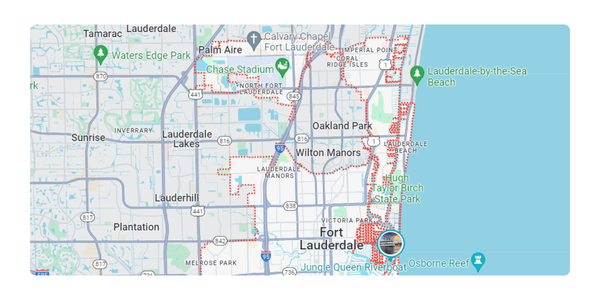
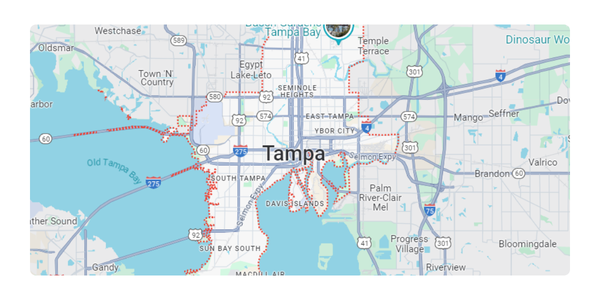
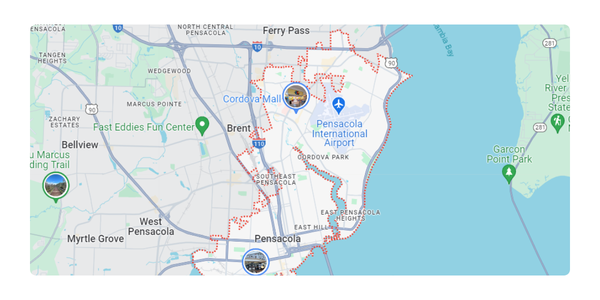
Serving clients throughout Fort Lauderdale and the surrounding communities, we offer trusted, experienced legal help that’s just a phone call—or a click—away.
Alachua County
Baker County
Bay County
Bradford County
Calhoun County
Charlotte County
Citrus County
Clay County
Collier County
Columbia County
DeSoto County
Dixie County
Flagler County
Franklin County
Gadsden County
Gilchrist County
Glades County
Gulf County
Hamilton County
Hardee County
Hendry County
Hernando County
Highlands County
Holmes County
Indian River County
Jackson County
Jefferson County
Lafayette County
Lake County
Leon County
Levy County
Liberty County
Madison County
Manatee County
Marion County
Martin County
Nassau County
Okaloosa County
Okeechobee County
Pasco County
Pinellas County
Polk County
Putnam County
St. Johns County
St. Lucie County
Santa Rosa County
Sarasota County
Sumter County
Suwannee County
Taylor County
Union County
Volusia County
Wakulla County
Walton County
Washington County