





Misdemeanor expungement in Florida is the legal process of erasing a misdemeanor arrest or charge from public access under Florida Statute §943.0585. Once granted, government agencies must destroy or restrict the record, preventing it from appearing on employment, housing, and licensing background checks.
A misdemeanor is a criminal offense less severe than a felony, but it can still leave a lasting mark on your record. In Florida, a misdemeanor charge may only be expunged or sealed if the case did not result in a conviction or if adjudication was withheld. Additional eligibility requirements apply — the offense must not fall under Florida’s statutory disqualification list, and the case must be fully closed before petitioning the court.
This matters because even a dismissed misdemeanor can limit opportunities. Employers, landlords, and licensing boards routinely use background checks, and over 90% of employers nationwide rely on them when making hiring decisions. Clearing your misdemeanor record restores your reputation, improves job prospects, and safeguards your digital presence.
A misdemeanor record in Florida can create long-term consequences across nearly every part of your life. Even though misdemeanors are less severe than felonies, the record remains public and will appear on background checks unless it is sealed or expunged.
Here are 5 major ways a misdemeanor can affect your life if not expunged:
Until your misdemeanor is expunged, it will continue to appear on background checks and internet databases, affecting your opportunities and personal life.
Yes. A misdemeanor can be expunged in Florida if the charge was dismissed, dropped, or resulted in a not-guilty verdict. Under Florida Statute §943.0585, expungement permanently removes the record from public access once all legal requirements are met.
To qualify, you must satisfy 3 key conditions:
If you received a withhold of adjudication, you are not eligible for expungement, but you may still qualify for record sealing under §943.059, which blocks public access but does not destroy the record.
Important: Even though Florida law allows individuals to file on their own, working with a expungement lawyer ensures your petition is properly filed, timelines are managed, and private background check companies comply with removal.
You can actually get a misdemeanor expunged if certain eligibility criteria are met. There are 5 main eligibility requirements for misdemeanor expungement:
You can seek expungement of a misdemeanor if the charges were dropped, you were found not guilty, or you completed a diversion program with charges dismissed. If you were adjudicated guilty, you cannot expunge the record, but sealing may be possible if adjudication was withheld.
You must not have any prior convictions-felony or misdemeanor-in Florida or any other state. Additionally, you cannot have previously had a criminal record sealed or expunged in Florida.
Florida law only allows one sealing or expungement in a lifetime (with few exceptions). If you have previously expunged or sealed another offense, you will likely be ineligible.
Certain misdemeanor offenses-such as those involving domestic violence, stalking, or sexual misconduct-may be disqualified from expungement under Florida law, even if dismissed.
Before filing your petition in court, you must obtain a Certificate of Eligibility from the Florida Department of Law Enforcement (FDLE). The application process includes:
Sometimes, you can only seal but not expunge your misdemeanor record because the case results in a withheld adjudication. In order to know whether you are eligible for expunging or sealing a misdemeanor offense, check this Detailed List of Florida Expungement Eligibility Requirements.
If your misdemeanor case was dropped, dismissed, found not guilty, or if you received a withhold of adjudication, you may be eligible for expungement or sealing, depending on the charge.
Some common examples include:
💡 Note: Some misdemeanors are excluded from expungement or sealing depending on the nature of the offense (such as domestic violence, DUI, or sexual misconduct). Always review the official list of disqualifying offenses or take our free eligibility test to confirm.
Misdemeanor expungement in Florida is a court-ordered process that requires approval from both the Florida Department of Law Enforcement (FDLE) and the court where the arrest occurred. The process takes several months, and every step must be completed correctly to avoid delays.
There are 8 main steps to get a misdemeanor expunged in Florida:
Before proceeding, ensure that you meet the eligibility criteria for misdemeanor expungement. Typically, you must have completed your sentence, including probation or parole, and have no pending criminal charges.
Take our free eligibility test to know if you are eligible to expunge a misdemeanor record. Only 2 minutes to know the result.
Collect all necessary documents, including your criminal record, case information, and supporting evidence demonstrating your eligibility.
Submit a petition for expungement to the appropriate court in Florida. This petition should include all required documentation, a Certificate of Eligibility, and a filing fee.
Send copies to the State Attorney's Office in the same county.
The State Attorney’s Office may object or request a hearing.
If no objection, the petition is reviewed directly by the judge.
A judge may schedule a hearing to review your misdemeanor expungement request. You may need to present your case and explain why your misdemeanor should be expunged.
If there are no objections, the Clerk will send the necessary documents to the court. This typically leads to issuing a signed Order Expunging the Record within a matter of weeks, which will be sent to you by mail.
After a successful expungement, ensure that all relevant agencies and organizations update their records to reflect the expungement. This may include law enforcement agencies, courts, and background check providers.
Expunging a misdemeanor record can be complicated and stressful if you don't get it right in the first place. In order to give you a more in-depth view of expungement in Florida, it is suggested to read our Complete Guide to Get Your Record Expunged in Florida.
Misdemeanor expungement in Florida typically takes 6-9 months to complete. Because the law allows you only one expungement in your lifetime, choosing the right attorney is critical. An experienced lawyer ensures your petition is filed correctly, deadlines are met, and private databases are updated so your record is fully cleared. You only get one chance - so choose wisely!
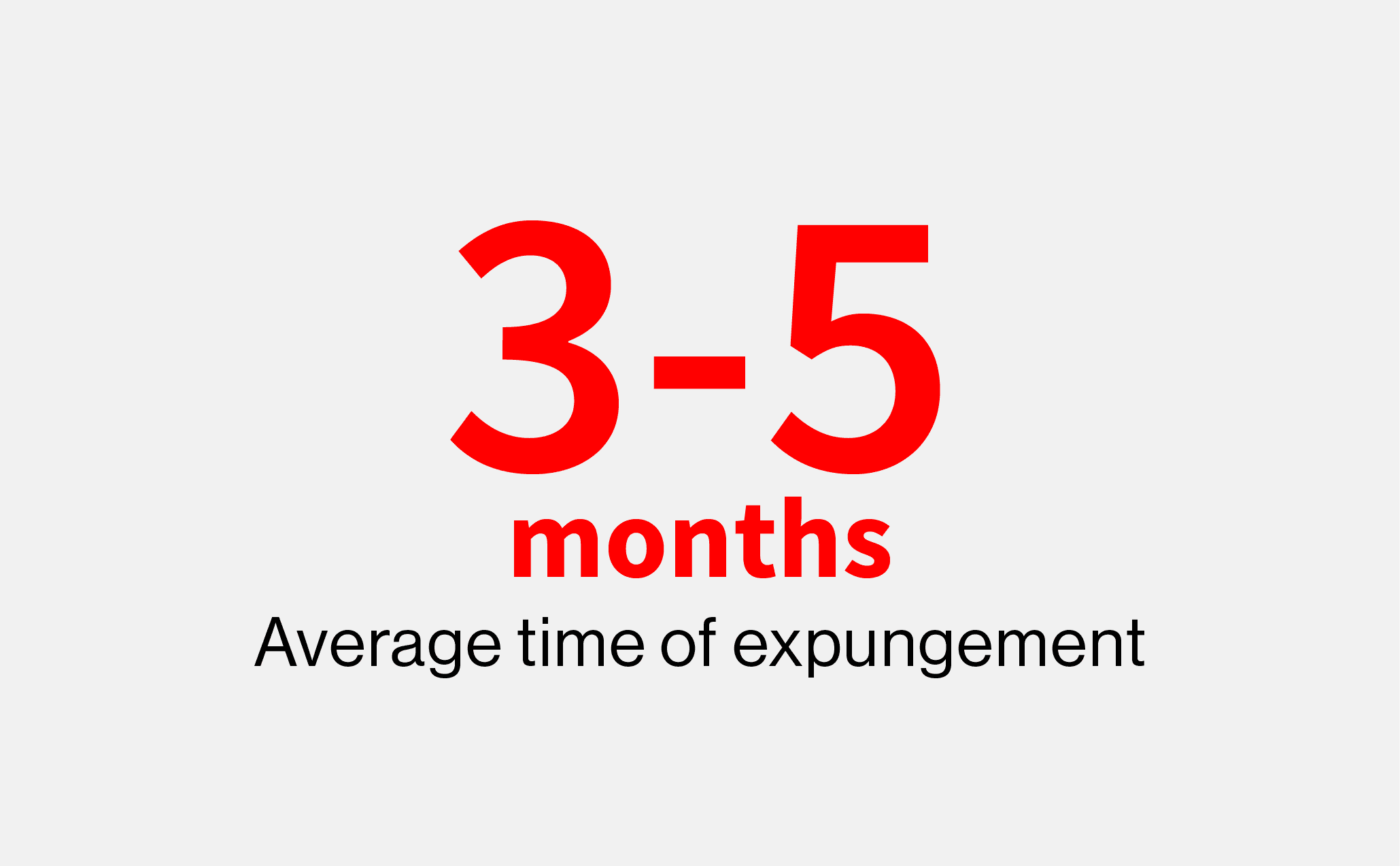
With Erase the Case , completion takes only 3 - 5 months from beginning to end, including verifying eligibility, filing the petition, conducting background checks, and resolving matters in court.
Unfortunately, in Florida, a misdemeanor remains on your criminal record permanently unless you have it expunged or sealed. There is no specific expiration date for misdemeanors, unlike some traffic citations. This means that even a minor offense from long ago can show up on background checks and cause problems securing employment, housing, or professional licenses.
There is also a myth that says a misdemeanor will disappear after 7 years in Florida. However, this is a misconception that creates confusion for those who are seeking misdemeanor expungement.
To debunk this myth, explore this article: How Long Does a Misdemeanor Stay on Your Record?
Yes, expunging a misdemeanor in Florida is possible if you are eligible and follow the necessary legal procedures.
Unless it is expunged or sealed, a conviction for a misdemeanor will remain on your criminal record in Florida, potentially affecting your life in various ways.
Expunging a misdemeanor DUI in Florida may be possible, but it depends on your case and eligibility. We can help you determine the viability of expungement in your situation.






 Read more Reviews